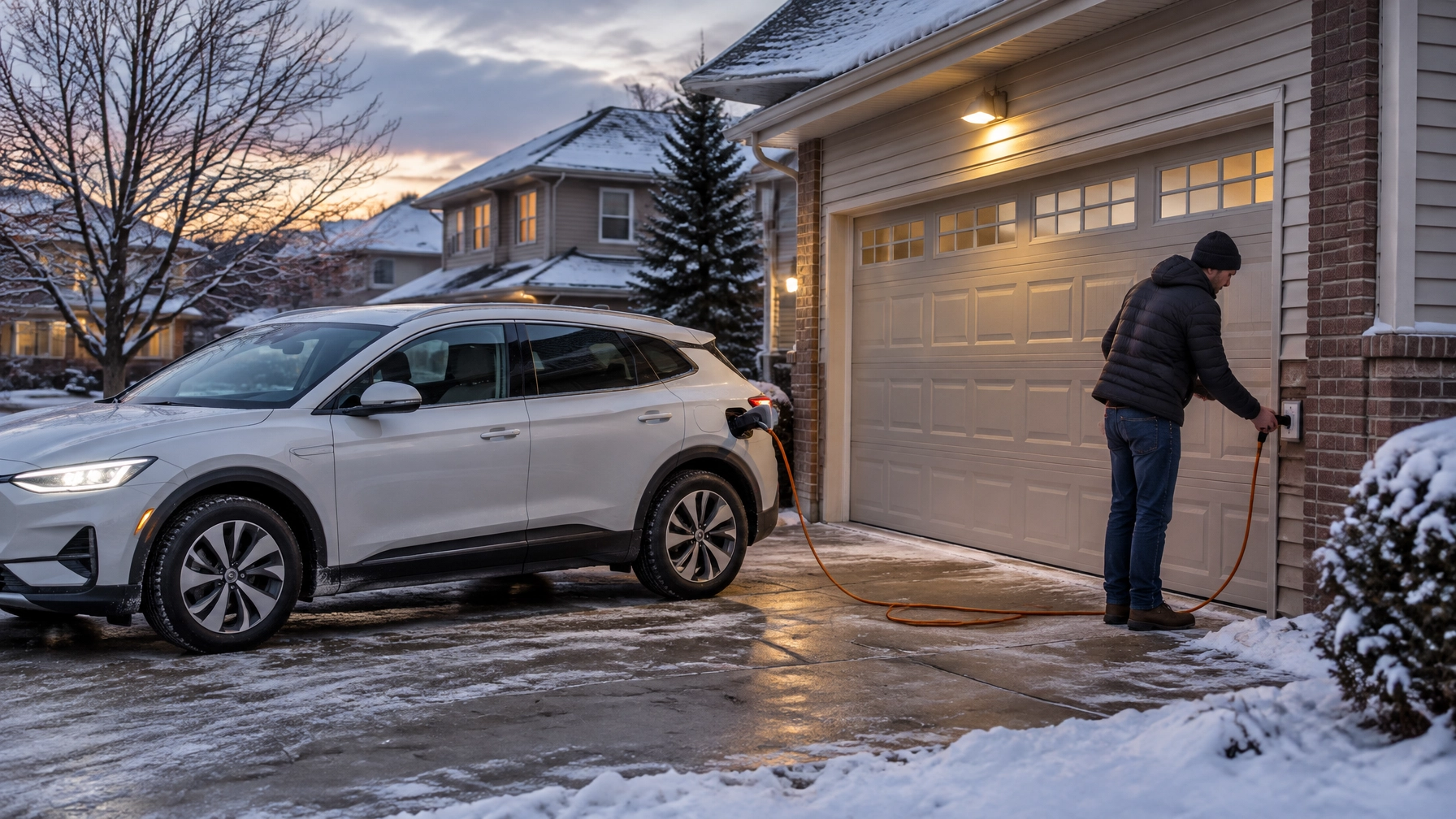
By the time Neighbor 1’s new electric vehicle was parked in the driveway, the whole block had heard about it. The part Neighbor 1 had not mentioned was the long extension cord running from the garage to the car. “It’s just charging,” Neighbor 1 said, plugging in. “No upgrade needed.” The cord crossed the cold...Read More
Converting a garage, basement room, or spare room into a workshop requires more than adding a few receptacles. Plan the electrical system before installing benches, insulation, drywall, or heavy equipment. Address capacity, circuit protection, grounding, lighting, permits, and inspection requirements at the design stage. Use the following process to create a safer, more functional workshop...Read More
Winter is a practical time to review your home’s electrical capacity. Add winter loads, home renovations, EV charging, a basement suite, or major appliances, and the question changes quickly: do you need 60, 100, or 200 amps? Do not assume that every Edmonton home needs 200-amp service. Size the service to the home’s real electrical...Read More
The first serious frost arrived in Edmonton overnight. By six in the morning, driveways glittered with ice, vehicle windows wore a hard white crust, and homes all along the street were drawing heavier electrical loads. Neighbor 1 had prepared for the cold in his usual way: quickly, cheaply, and without checking whether his system could...Read More
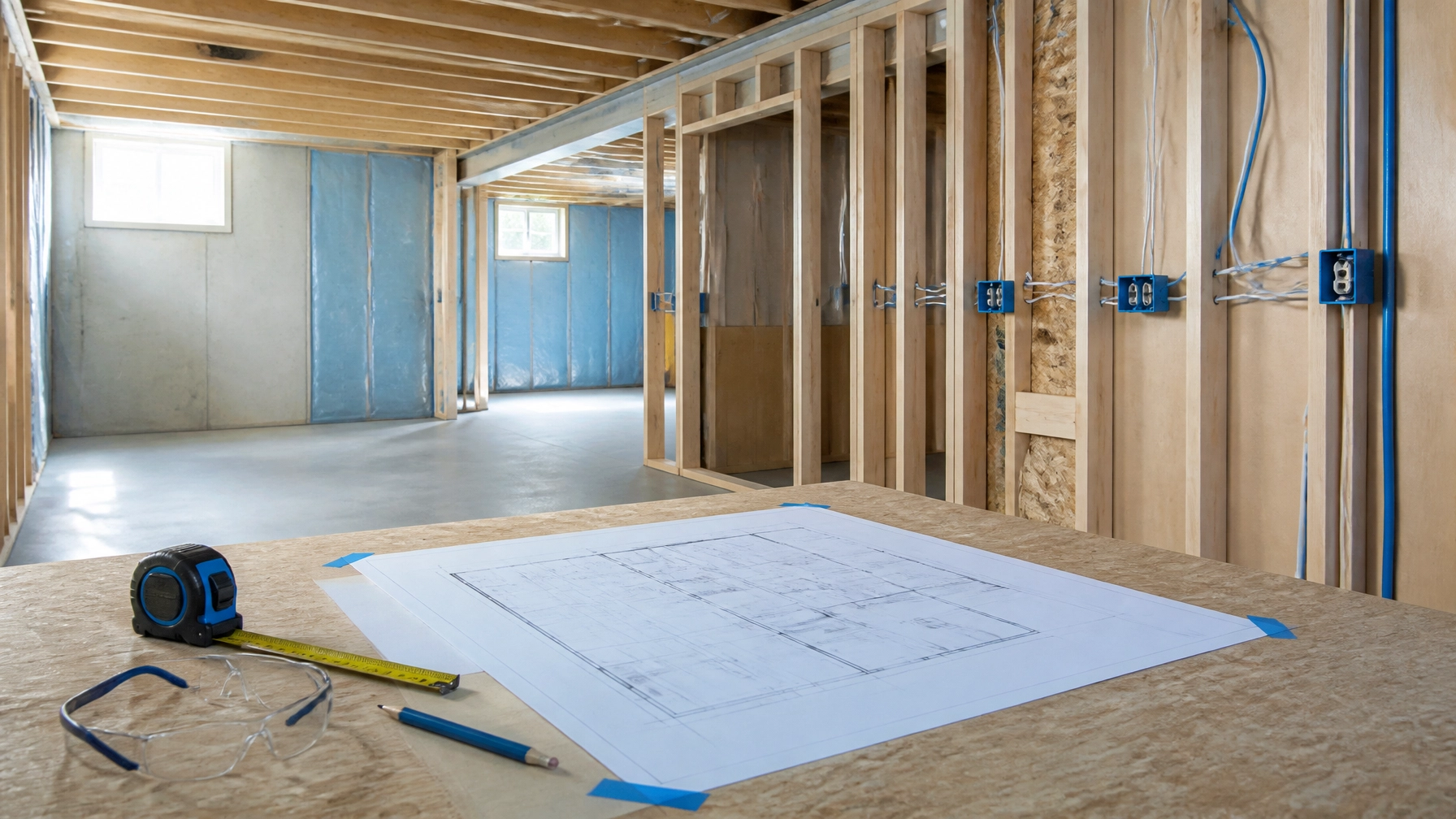
Plan the electrical work before framing, insulation, or drywall begins. A clear layout helps you avoid costly changes and prepare for permits and inspections. 1. Map the basement before wiring Draw a basic floor plan and mark rooms, doors, stairs, plumbing fixtures, appliances, lights, switches, and receptacles. Include future uses such as a home office,...Read More
Protect your household by understanding the difference between GFCI and AFCI protection. Both devices monitor electrical circuits and disconnect power when they detect hazardous conditions, but they address different risks. Use this guide to recognize where each type of protection applies, understand why some circuits require both, and identify when professional electrical work may be...Read More
The lingering scent of singed insulation from the "Great Edmonton Melt" still haunts the block, serving as a silent reminder of Gary’s penchant for reckless electrical expansion. Arthur, having witnessed the spectacular failure of Gary’s unpermitted basement suite venture, decided it was time to approach his own home improvements with significantly more diligence. He stood...Read More
Ensure the safety of your residential or commercial property by maintaining a robust electrical system. Modern electrical codes mandate specific protective devices to mitigate the risks of electrocution and structural fires. Two fundamental components in this safety architecture are Ground Fault Circuit Interrupters (GFCI) and Arc Fault Circuit Interrupters (AFCI). Understanding the distinction between these...Read More
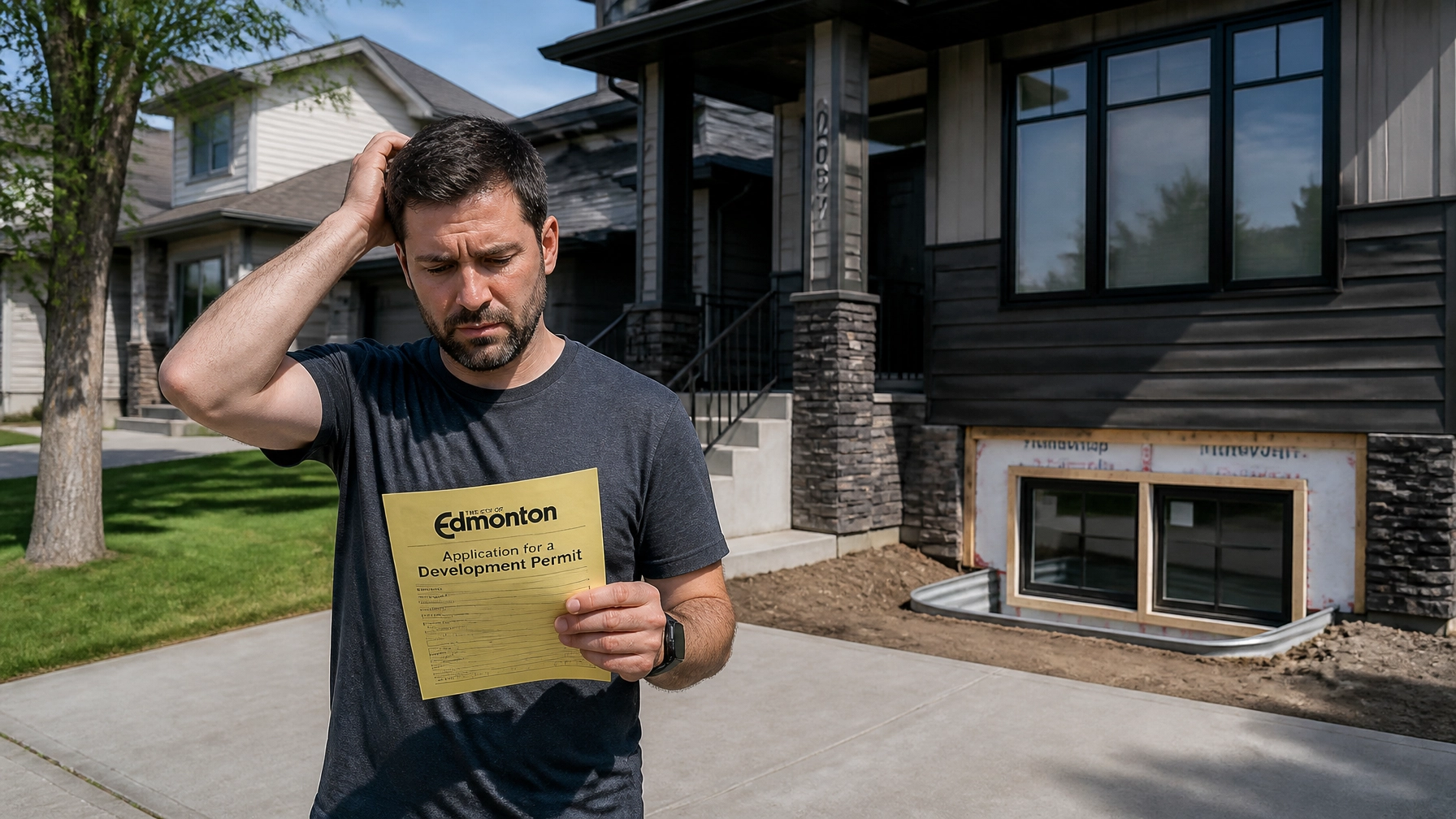
Gary decided to save a few dollars this past month. Instead of hiring professionals, he spent his weekends in the basement, surrounded by wire strippers and rolls of Romex. He envisioned a sleek secondary suite that would pay for his mortgage through rental income. However, Gary skipped the most critical step in any Edmonton renovation:...Read More
The mercury climbed steadily toward thirty-five degrees Celsius, transforming the quiet Edmonton cul-de-sac into a shimmering basin of radiant heat. Arthur sat in his living room, steadfastly ignoring the erratic vibrations of his 1984 window air conditioner. This antiquated machinery emitted a cacophony that rivaled a jet engine, yet it barely managed to lower the...Read More