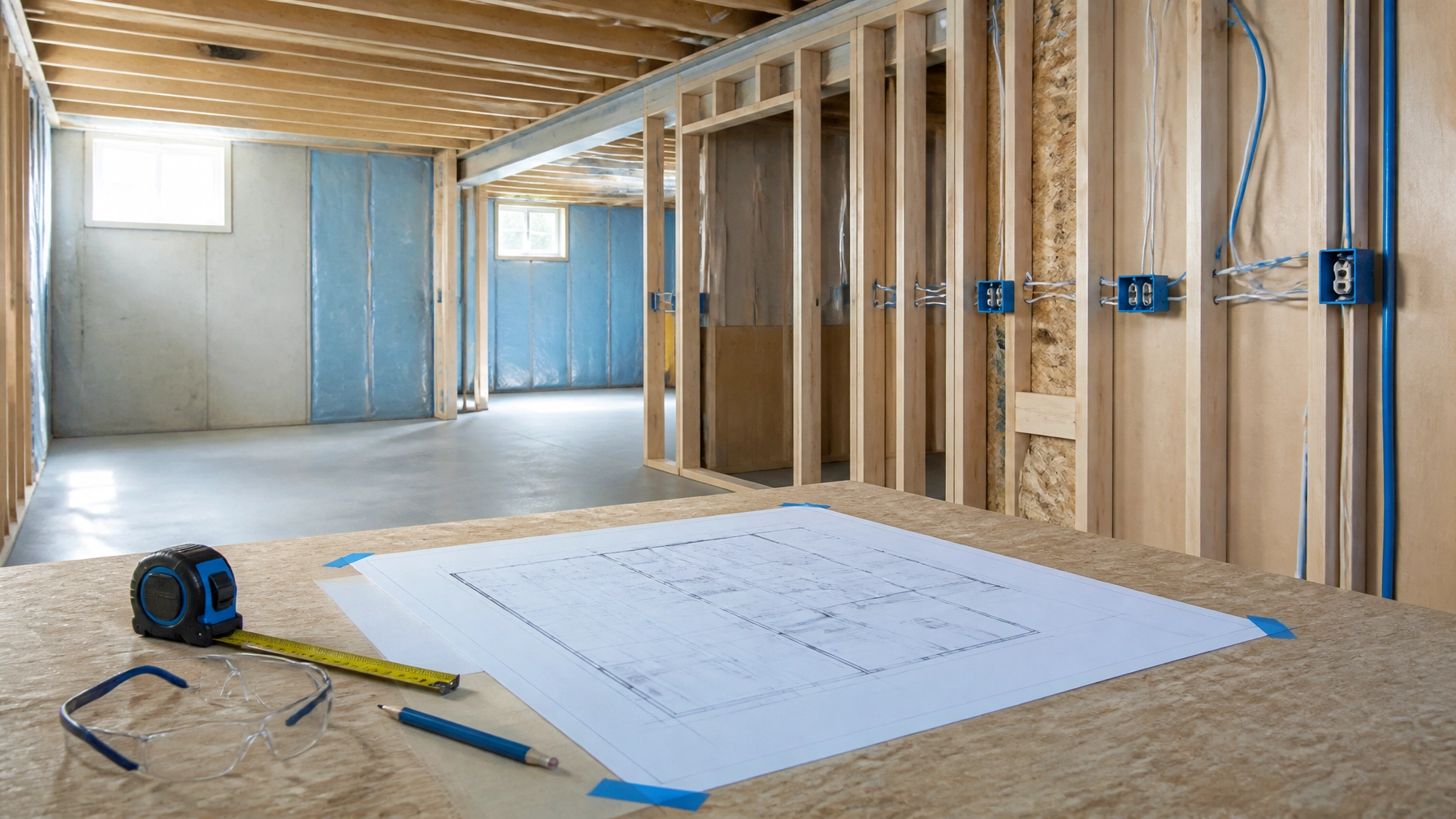


The lingering scent of singed insulation from the "Great Edmonton Melt" still haunts the block, serving as a silent reminder of Gary’s penchant for reckless electrical expansion. Arthur, having witnessed the spectacular failure of Gary’s unpermitted basement suite venture, decided it was time to approach his own home improvements with significantly more diligence. He stood in his driveway, clutching a spec sheet for a high-efficiency central air conditioning unit, while Leo leaned over the fence.
"You're doing the right thing, Arthur," Leo remarked, nodding toward the paperwork. "Before you install that cooling system or finish the basement, you must verify that your electrical service can sustain the additional demand. We don't want a repeat of Gary's 'Basement Permitting' disaster."
Determining your home’s electrical capacity is a fundamental requirement for any homeowner considering substantial upgrades. Follow these steps to evaluate your current system and ensure your property remains safe and compliant.
Step 1: Identify Your Main Service Rating

Begin by locating your main electrical panel. To determine if you have a 100-amp or 200-amp service, identify the main disconnect breaker. This is typically the largest switch located at the top or bottom of the panel's interior.
Examine the number stamped on the handle of this main switch. A "100" indicates a 100-amp service, which provides approximately 24,000 watts of power. A "200" signifies a 200-amp service, doubling that capacity to 48,000 watts. While many older homes in Edmonton operate sufficiently on 100 amps, modern demands: such as electric vehicle chargers or intensive basement developments: often necessitate an electrical panel upgrade.
Step 2: Recognize the Symptoms of an Overloaded System

Observe the performance of your existing residential electrical services under normal daily use. If your lights dim momentarily when the refrigerator compressor engages, or if you experience frequent tripping of breakers during peak hours, your current service may be nearing its functional limit.
These occurrences suggest that the simultaneous demand of your appliances is exceeding the instantaneous capacity of your distribution system. Neglecting these signs can lead to premature wear on sensitive electronics and, in extreme cases, thermal damage to your home’s electrical wiring and installation.
Step 3: Perform a Formal Load Calculation

Do not rely solely on guesswork when adding heavy loads. Execute a comprehensive load calculation as mandated by the Canadian Electrical Code. This process involves summing the square footage of your living space and adding the specific wattage requirements of fixed appliances, such as electric ranges, clothes dryers, and that new air conditioner Arthur is eyeing.
Verify these calculations against the guidelines provided by the City of Edmonton electrical permits department. A formal calculation ensures that your total calculated load does not exceed 80% of your service’s rated capacity, providing a necessary buffer for safety and system longevity.

"So, if the math says I'm over, I simply can't add the AC?" Arthur asked.
"Correct," Leo replied. "You either mitigate the load or upgrade the service. Safety isn't a suggestion; it's the foundation of a functional home."
{“name”:”How to Check Your Home’s Power Capacity”,”step”:[{“url”:”https://www.robartelectrical.com/electrical-panel-upgrades/”,”name”:”Locate the Main Disconnect”,”text”:”Find the main electrical panel and identify the largest breaker, usually labeled ‘Main’ or ‘Service Disconnect’.”,”@type”:”HowToStep”},{“name”:”Identify Amperage Rating”,”text”:”Read the number on the main breaker handle. 100 signifies 100-amp service, while 200 signifies 200-amp service.”,”@type”:”HowToStep”},{“name”:”Monitor System Performance”,”text”:”Look for signs of overloading, such as dimming lights or frequently tripped breakers when large appliances are running.”,”@type”:”HowToStep”},{“name”:”Conduct a Load Calculation”,”text”:”Calculate the total wattage of all fixed appliances and the home’s square footage to ensure it falls within 80% of the service rating.”,”@type”:”HowToStep”}],”@type”:”HowTo”,”@context”:”https://schema.org”,”totalTime”:”PT15M”,”description”:”A guide for homeowners to identify their electrical service capacity (100A vs 200A) and determine if they can add new heavy appliances.”,”estimatedCost”:{“@type”:”MonetaryAmount”,”value”:”0″,”currency”:”CAD”}}