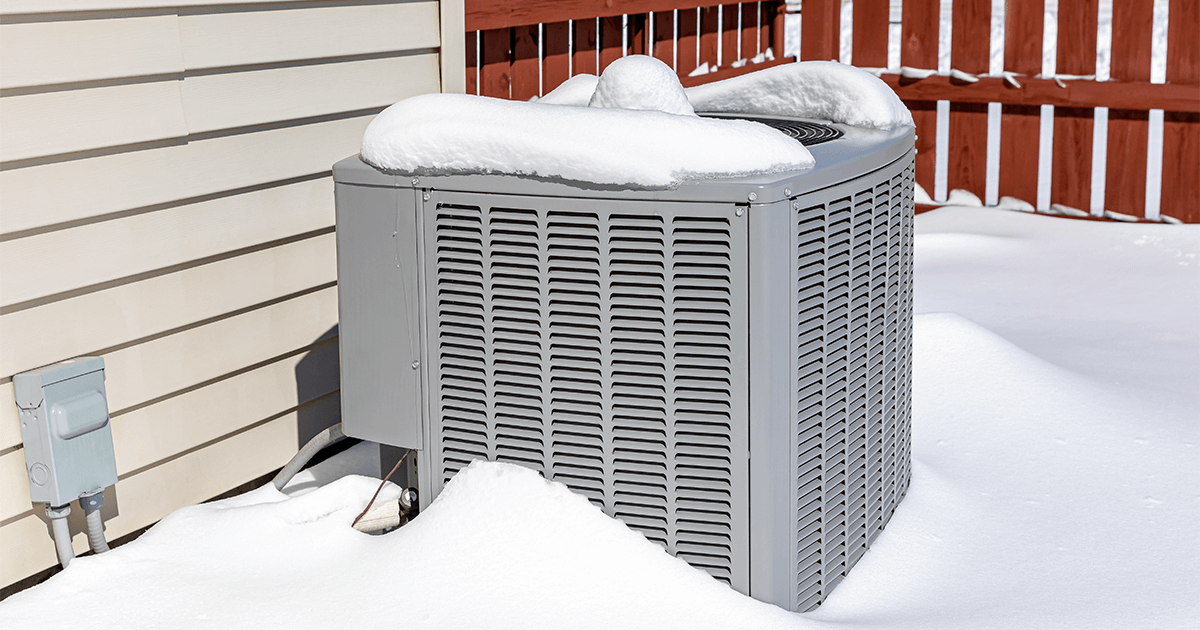

In North America, almost every home has an exterior receptacle for electric devices such as lawnmowers, garden tools, chargers, and BBQs. However, due to safety concerns, it is required that these receptacles be protected by a Ground Fault Circuit Interrupter (GFCI). This is especially important because outdoor electrical outlets near wet or moist areas can be hazardous. For example, using hedge trimmers while standing on wet ground after rainfall is risky. Also, plugging in a phone charger near a pool can pose a safety risk.
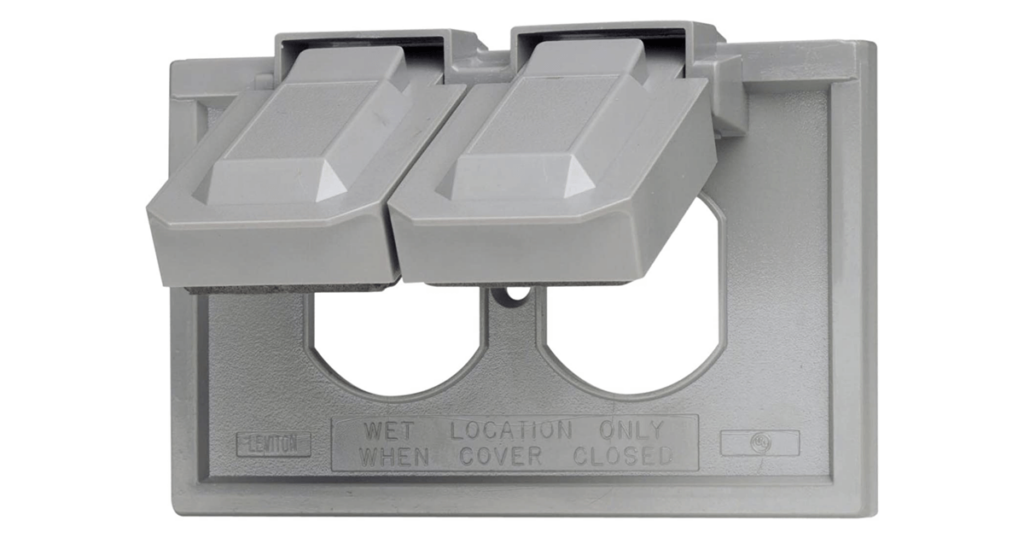
In the past, standard weatherproof covers were used to protect the internal parts of outdoor receptacles. However, when something was plugged in, the spring-loaded cover could no longer seal the receptacle. Consequently, rain or snow could drip inside. To solve this issue, GFCIs were installed to protect users of the outdoor receptacle.
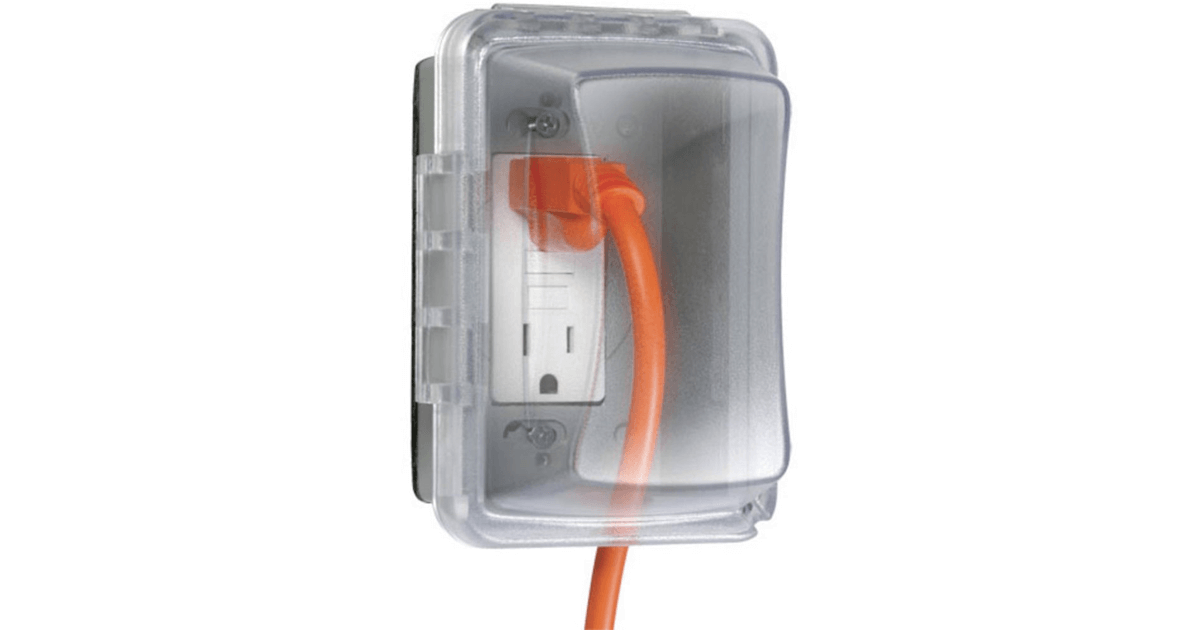
Today, there’s a new design called an “In-Use Cover” that eliminates this problem. The in-use cover has a sealed protective cover over the GFCI receptacle. This allows cords to be plugged in without rain or snow penetrating the receptacle. The enclosure is sealed all around except for the bottom, where it remains open to allow cords to hang freely. With the in-use cover, you can now safely use outdoor power sources without concern about adverse weather conditions.
It’s important to note that GFCIs are not foolproof and should never be relied upon as the only safety measure. It’s also essential to use safe electrical practices when using outdoor electrical outlets. This includes checking cords for damage, keeping outlets dry, and never touching electrical devices with wet hands or feet.
Overall, the development of In-Use Covers has made outdoor electrical outlets much safer and more reliable. These covers provide an additional layer of protection against water and moisture. Therefore, they ensure that outdoor electrical devices can be used safely and without risk.