
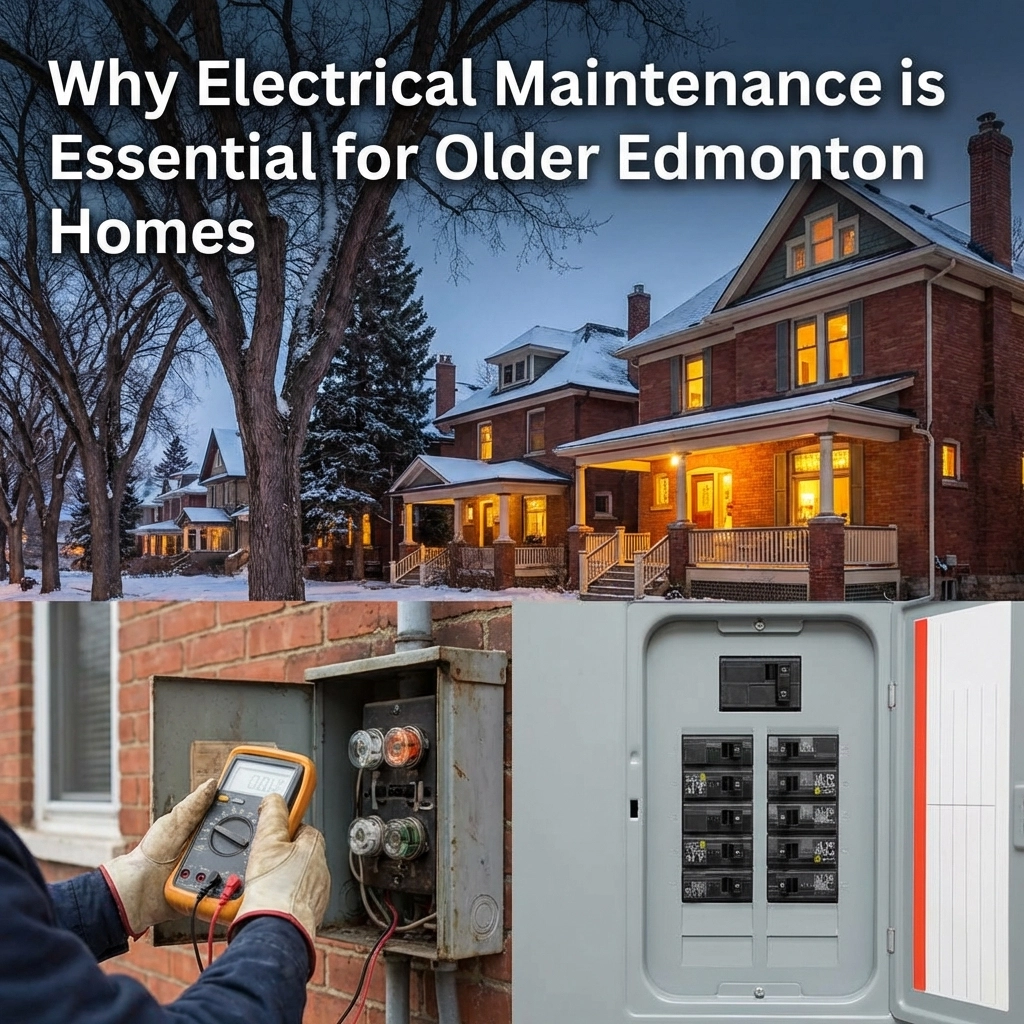
If you live in an older Edmonton home, you know there's something special about character properties. The craftsmanship, the mature trees, the established neighbourhoods: it all adds up to a pretty great place to call home.
But here's the thing: those charming older homes come with electrical systems that were built for a very different time. Back when your house was wired, nobody was running air fryers, home offices with multiple monitors, or charging electric vehicles in the garage.
Let's talk about why electrical maintenance matters so much for older homes, what warning signs to watch for, and how to keep your family safe without losing sleep over it.
The Reality of Older Electrical Systems
Most homes built before the 1980s were designed to handle about half the electrical load that modern families use daily. Think about it: your grandparents didn't have smart TVs in every room, gaming consoles, espresso machines, and a dozen devices charging overnight.
That old wiring? It's working overtime just to keep up.
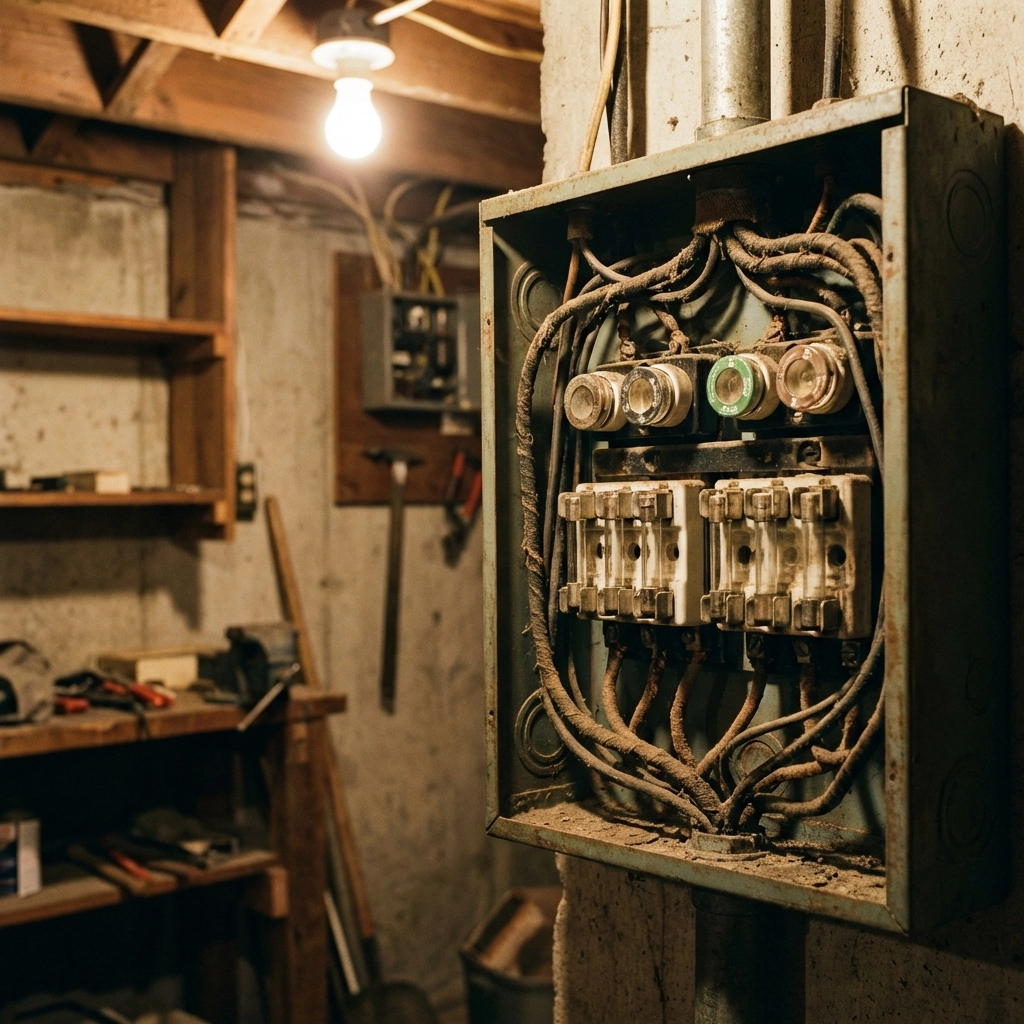
Here in Edmonton, we've got plenty of beautiful homes from the 1950s, 60s, and 70s. Many still have their original electrical panels and wiring. While that equipment was perfectly fine when it was installed, decades of wear and increased demand have taken their toll.
Common Electrical Issues in Older Edmonton Homes
Outdated Wiring Types
Two types of wiring show up frequently in older homes, and both need attention:
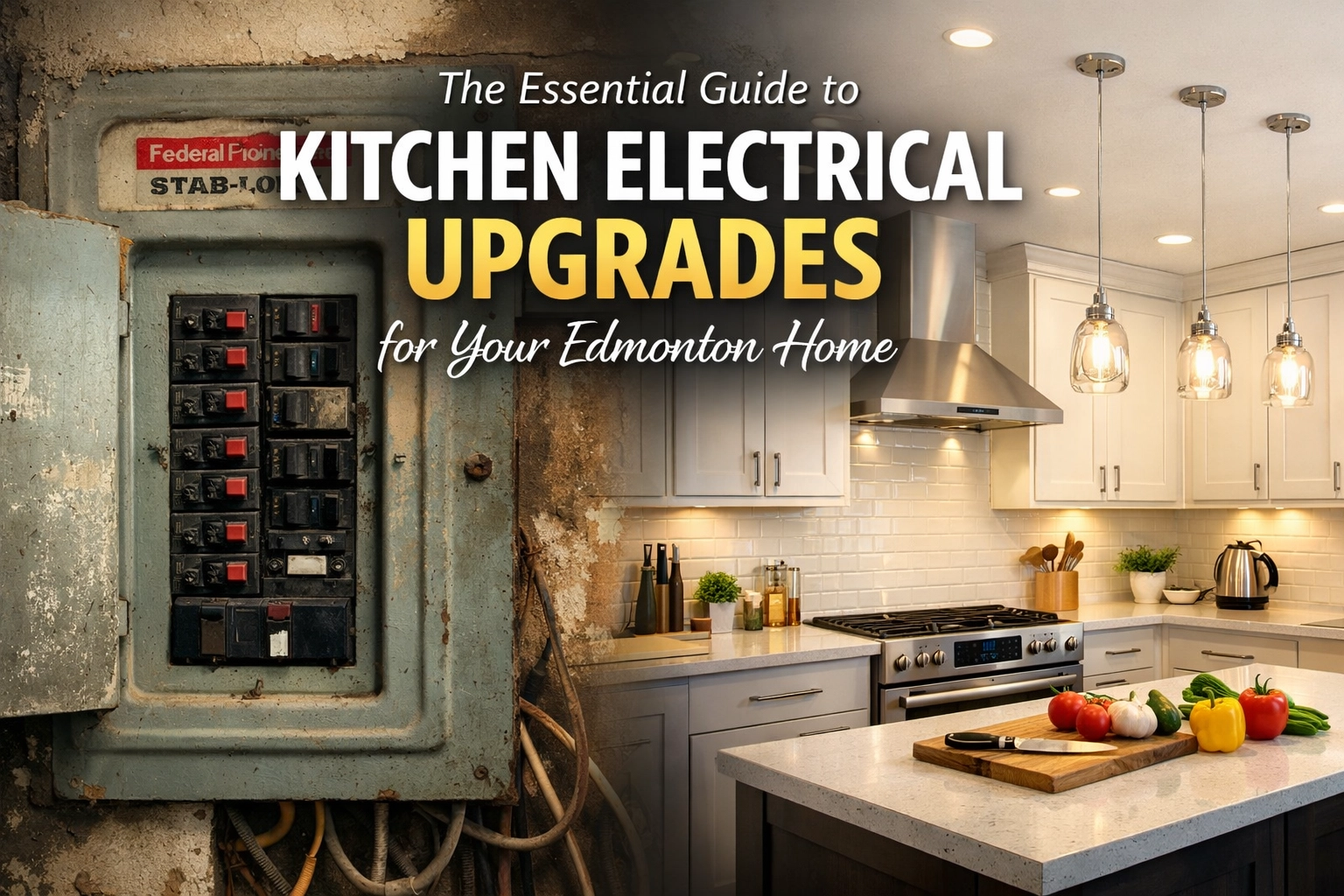
Knob-and-tube wiring was common in homes built before the 1950s. This system uses ceramic knobs and tubes to run wires through your walls and attic. Over time, the insulation breaks down, and wires can come loose: creating a serious fire risk.
Aluminum wiring was popular in homes built during the late 1960s and 1970s. It seemed like a good idea at the time, but we've learned that aluminum wiring can overheat at connection points. If your home has aluminum wiring, it doesn't automatically mean you need to rewire everything, but you do need a professional assessment.
Not sure what type of wiring your home has? Our team at Robart Electrical Services can take a look and let you know exactly what you're working with.
Undersized Electrical Panels
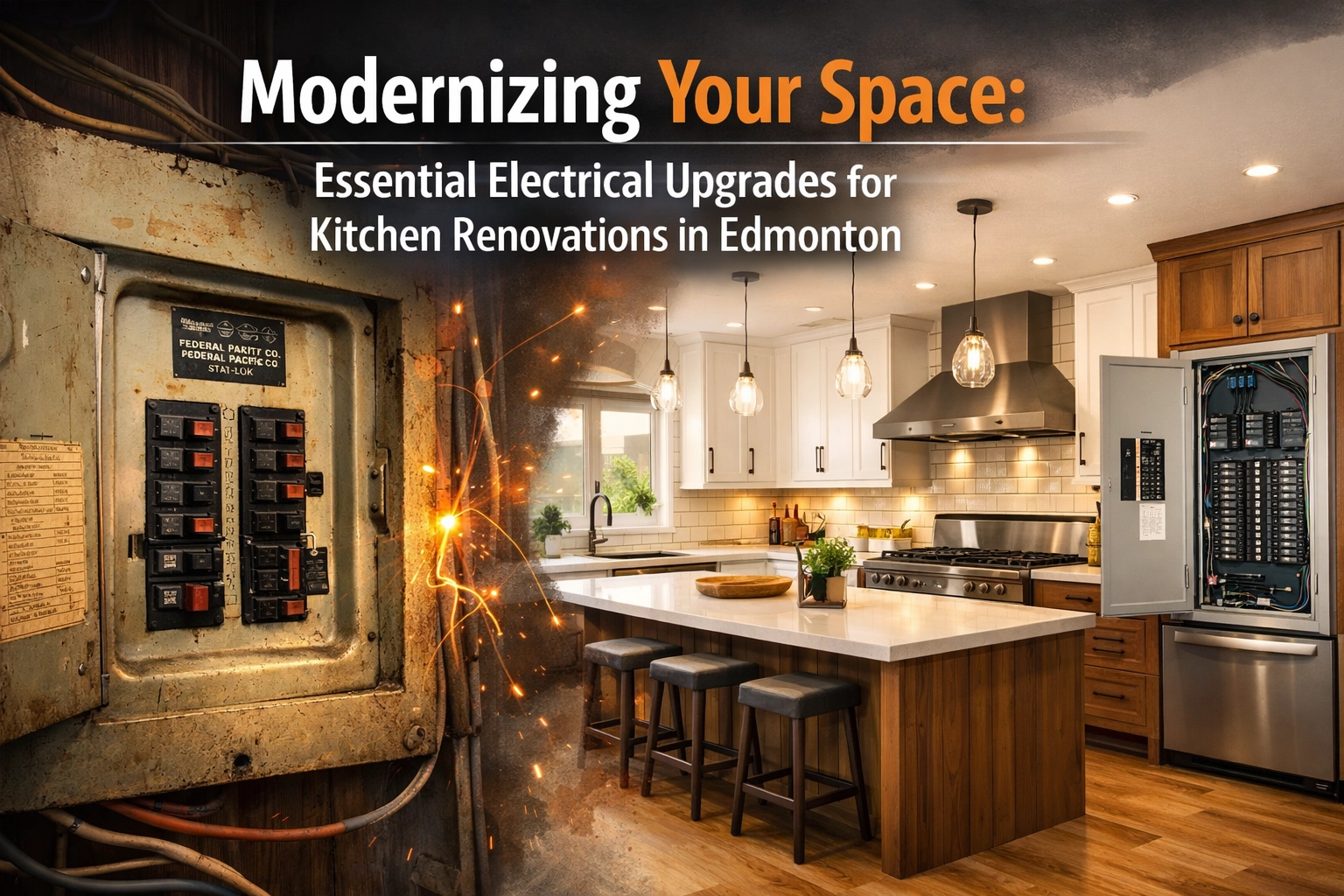
Many older homes have 60-amp or 100-amp electrical panels. For a modern household, that's often not enough. Today's homes typically need 200-amp service to safely handle all our devices and appliances.
Signs your panel might be undersized:
- Circuit breakers trip frequently
- You can't run the microwave and toaster at the same time
- Lights dim when large appliances kick on
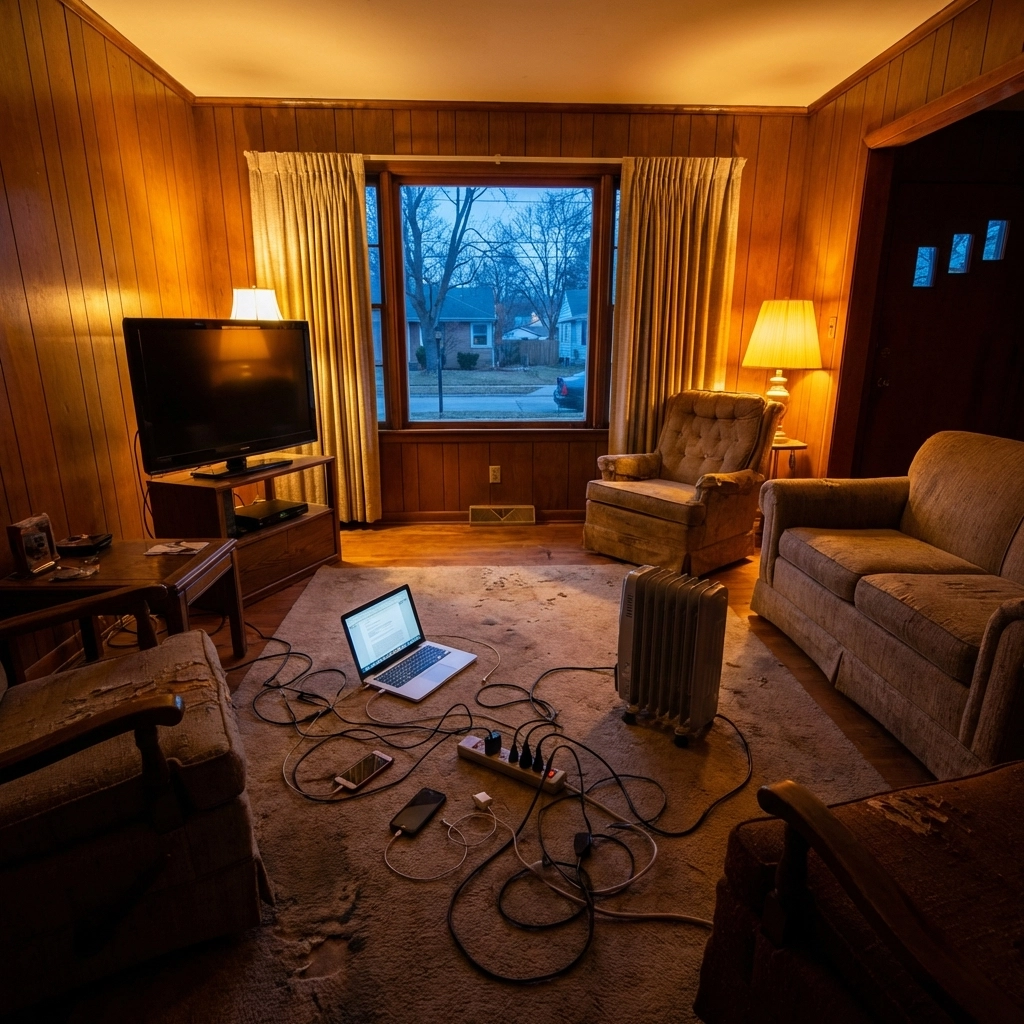
- You're using lots of power bars and extension cords
Missing Safety Features
Electrical codes have improved a lot over the decades. Older homes often lack safety features that are standard in newer construction:
- Ground-fault circuit interrupters (GFCIs) in bathrooms, kitchens, and outdoor outlets
- Arc-fault circuit interrupters (AFCIs) in bedrooms and living areas
- Proper grounding throughout the electrical system
- Tamper-resistant outlets to protect curious kids
These aren't just nice-to-haves. They're genuine safety upgrades that can prevent shocks, fires, and serious injuries.
Warning Signs You Shouldn't Ignore
Your home often gives you clues when something's wrong with the electrical system. Here's what to watch for:
Flickering or dimming lights : Occasional flickers during a windstorm are normal. Regular flickering? That's a sign of loose connections or overloaded circuits.
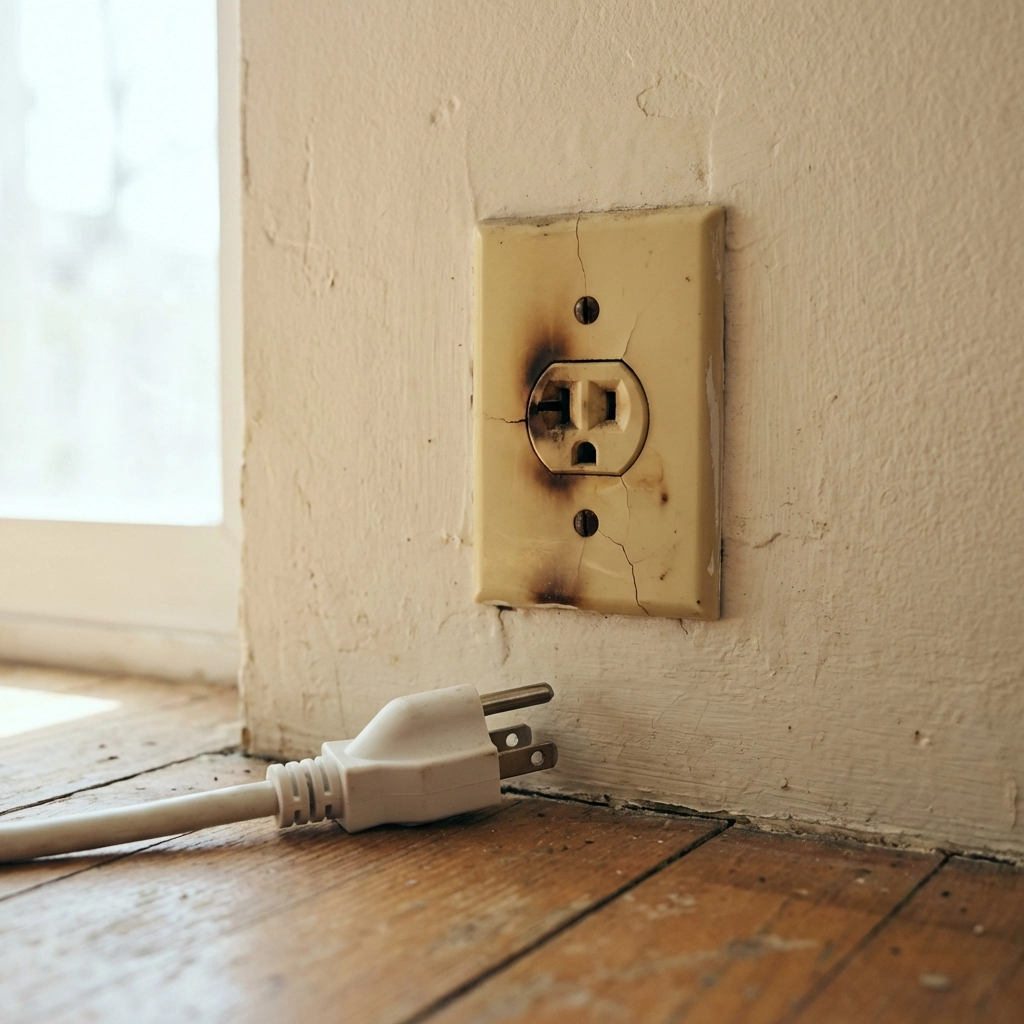
Warm or discoloured outlets : Outlets should never feel warm to the touch. If they do, or if you notice brown or black marks around them, stop using them immediately and call an electrician.
Burning smells : Any burning smell near outlets, switches, or your electrical panel needs immediate attention. Don't wait on this one.
Buzzing sounds : A faint hum from your panel is normal. Loud buzzing or crackling is not.
Frequently tripping breakers : If you're resetting the same breaker over and over, something's wrong. Breakers trip to protect you: they're telling you there's a problem.
Two-prong outlets everywhere : These ungrounded outlets can't safely handle modern electronics and appliances.
If you're noticing any of these issues, it's worth getting a professional inspection. You can contact us to schedule one at a time that works for you.
The Real Risks of Neglecting Electrical Maintenance
Let's be straight about this: electrical problems in older homes can be dangerous.
According to the National Fire Protection Association, electrical failures cause more than 47,000 home fires in North America each year. Many of these fires start in older homes with outdated wiring and overloaded circuits.
Beyond fire risk, faulty electrical systems can cause:
- Electric shocks and electrocution
- Damage to expensive electronics and appliances
- Higher energy bills from inefficient systems
- Problems with home insurance coverage
- Complications when selling your home
The good news? Most electrical issues are completely fixable. Regular maintenance and timely upgrades keep your home safe and your family protected.
What Does Electrical Maintenance Actually Involve?
When we talk about electrical maintenance for older homes, we're talking about a few key things:
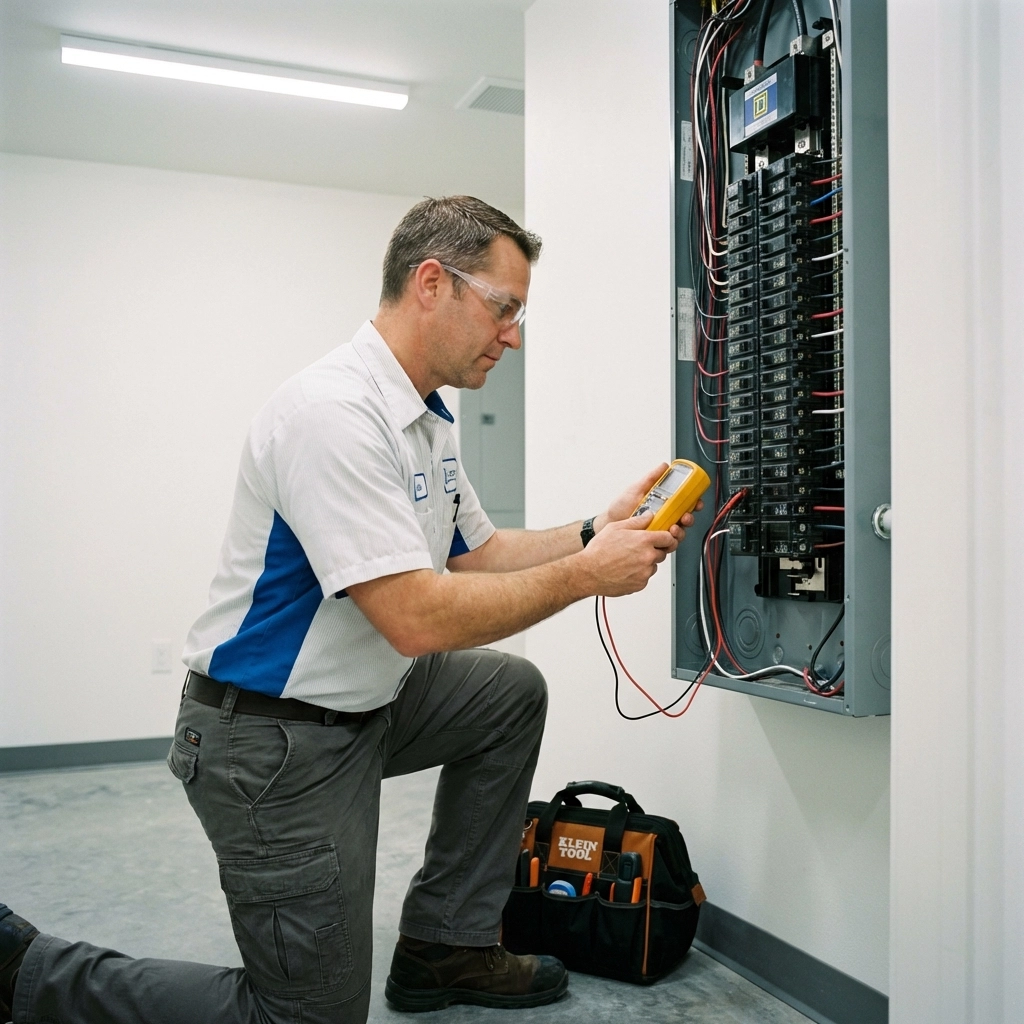
Professional Electrical Inspection
A thorough inspection covers:
- Your electrical panel and its capacity
- The condition and type of wiring throughout the home
- All outlets, switches, and fixtures
- Grounding and bonding
- Safety devices like GFCIs and smoke detectors
- Any DIY work that might not be up to code
For older homes, we recommend an inspection every 3-5 years, or whenever you're planning major renovations.
Panel Upgrades
If your panel is undersized or showing its age, upgrading to a 200-amp panel gives you the capacity for modern life. It also makes your home safer and more attractive to future buyers.
Wiring Updates
Depending on what the inspection finds, you might need:
- Replacement of dangerous knob-and-tube or aluminum wiring
- New circuits for high-demand areas like kitchens and home offices
- Updated wiring to support EV chargers or hot tubs
Safety Upgrades
Adding GFCIs to bathrooms, kitchens, and outdoor areas is a straightforward upgrade that dramatically improves safety. Same goes for adding AFCIs in bedrooms and living spaces.
Want to learn more about the electrical services available for older homes? We're happy to walk you through your options.
Practical Tips for Edmonton Homeowners
Here are some simple things you can do to keep your electrical system in good shape:
Don't overload outlets. If you're using power bars and extension cords everywhere, that's a sign you need more outlets: not more adapters.
Test your GFCIs monthly. Press the "test" button, then the "reset" button. If it doesn't trip and reset properly, it needs attention.
Watch for DIY electrical work. If a previous owner did their own wiring, there's a good chance it doesn't meet code. Have it checked.
Keep your panel accessible. Don't store stuff in front of your electrical panel. You need to be able to reach it quickly in an emergency.
Replace damaged cords and plugs. Frayed cords and cracked plugs are accident waiting to happen. Replace them right away.
Consider your future needs. Planning to add a hot tub, EV charger, or workshop? Talk to an electrician before you buy. Your current system might need an upgrade first.
Peace of Mind for Your Older Home
Living in an older Edmonton home doesn't mean living with electrical worry. With proper maintenance and timely upgrades, your home's electrical system can be just as safe and reliable as any new build.
The key is being proactive. Don't wait for problems to become emergencies. Regular inspections catch small issues before they become big (and expensive) ones.
If it's been a while since your home's electrical system had a checkup: or if you're seeing any of those warning signs we talked about: now's a good time to get it looked at. Your home has character and history worth protecting. Let's make sure it's safe for many more years to come.
Ready to schedule an inspection or ask questions about your older home's electrical needs? Get in touch with Robart Electrical Services today. We're here to help Edmonton homeowners keep their homes safe, efficient, and running smoothly.