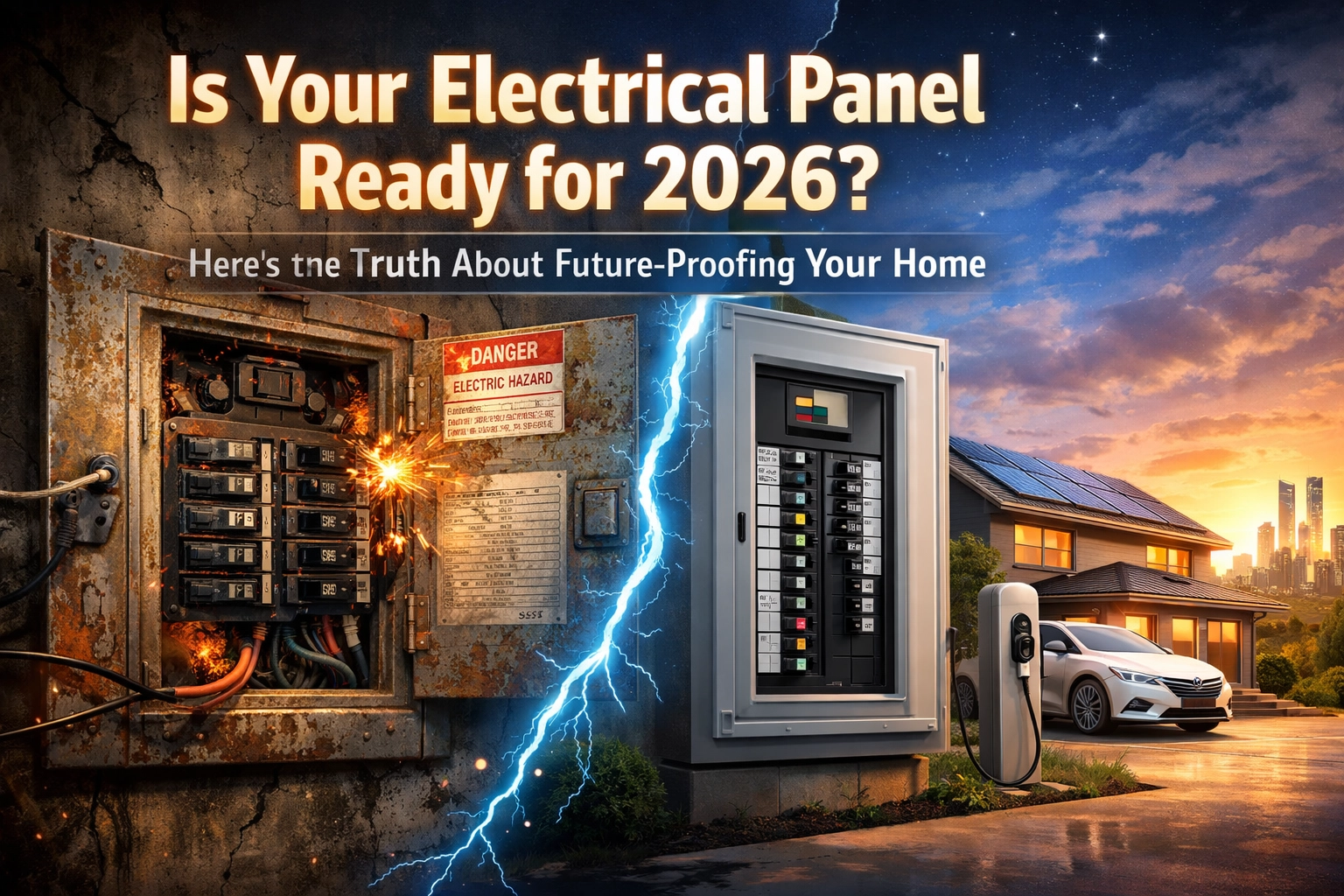

If you've been thinking about adding an EV charger, upgrading to a heat pump, or just wondering if your home's electrical system can keep up with modern life, you're not alone. A lot of Edmonton homeowners are asking the same question: Is my electrical panel ready for what's coming?
The short answer? It depends. But don't worry, we're going to break it all down in plain English so you can figure out where you stand and what (if anything) you need to do about it.
Why 2026 Matters for Your Electrical Panel
You might be wondering why we're talking about 2026 specifically. Well, the National Electrical Code (NEC) gets updated every few years, and the 2026 edition brings some important changes that could affect your home.
Here's what's new:
- All power sources must be identified at your main disconnect. This includes solar panels, generators, batteries, and any other backup systems.
- Arc-flash hazard labels are now required on more equipment, including your main panel.
- GFCI protection has been expanded to cover outdoor outlets up to 60 amps. This matters if you have a heat pump, pool equipment, or outdoor EV charger.
- EV charging equipment now needs proper GFCI or SPGFCI protection.
- Warning labels must be clearly visible on the front of panels.
These changes are all about safety. And while you don't necessarily need to rush out and upgrade your panel tomorrow, it's worth knowing what the code requires: especially if you're planning any electrical work in the near future.
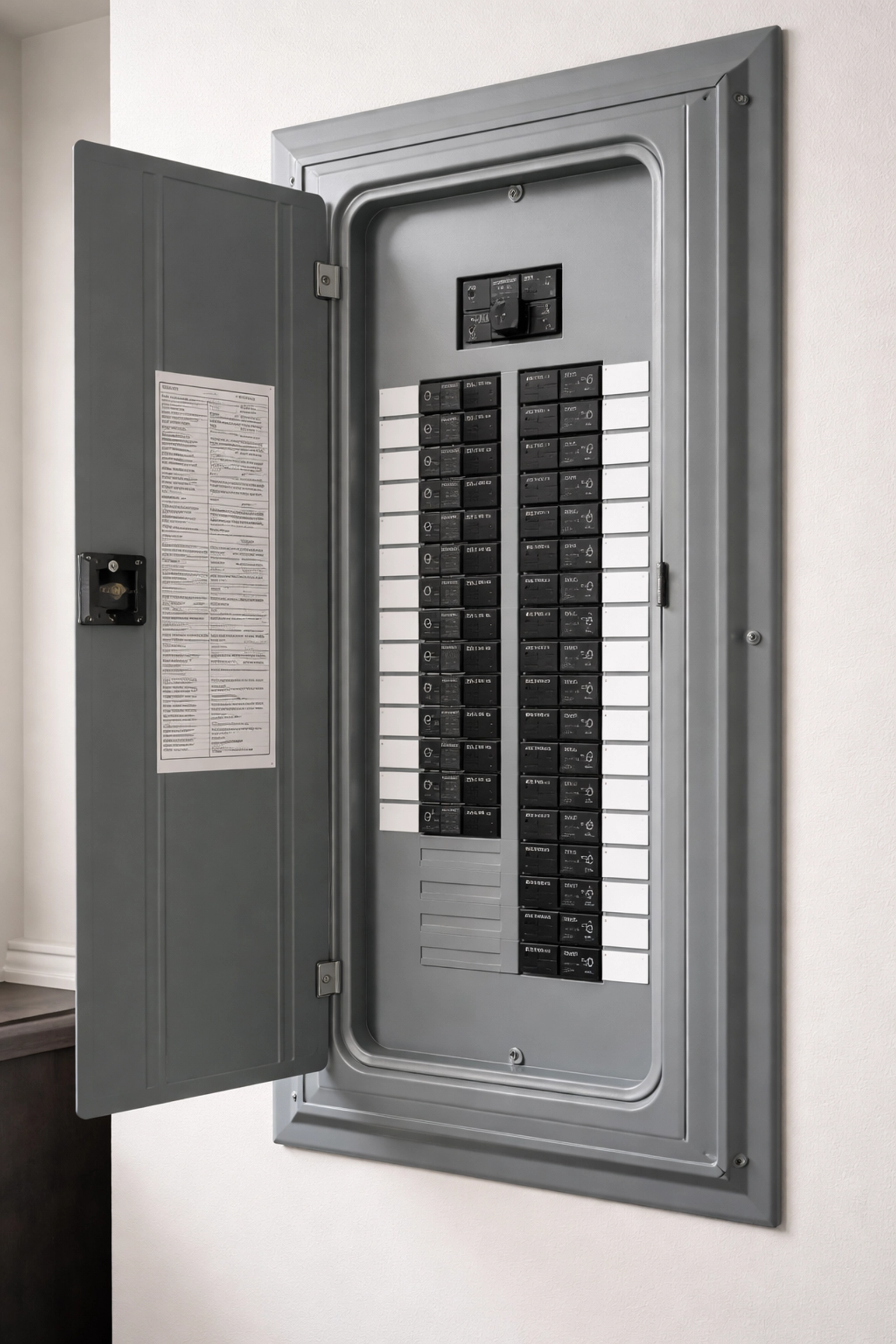
Signs Your Panel Might Need an Upgrade
So how do you know if your current panel is up to the task? Here are some telltale signs that an upgrade might be in your future:
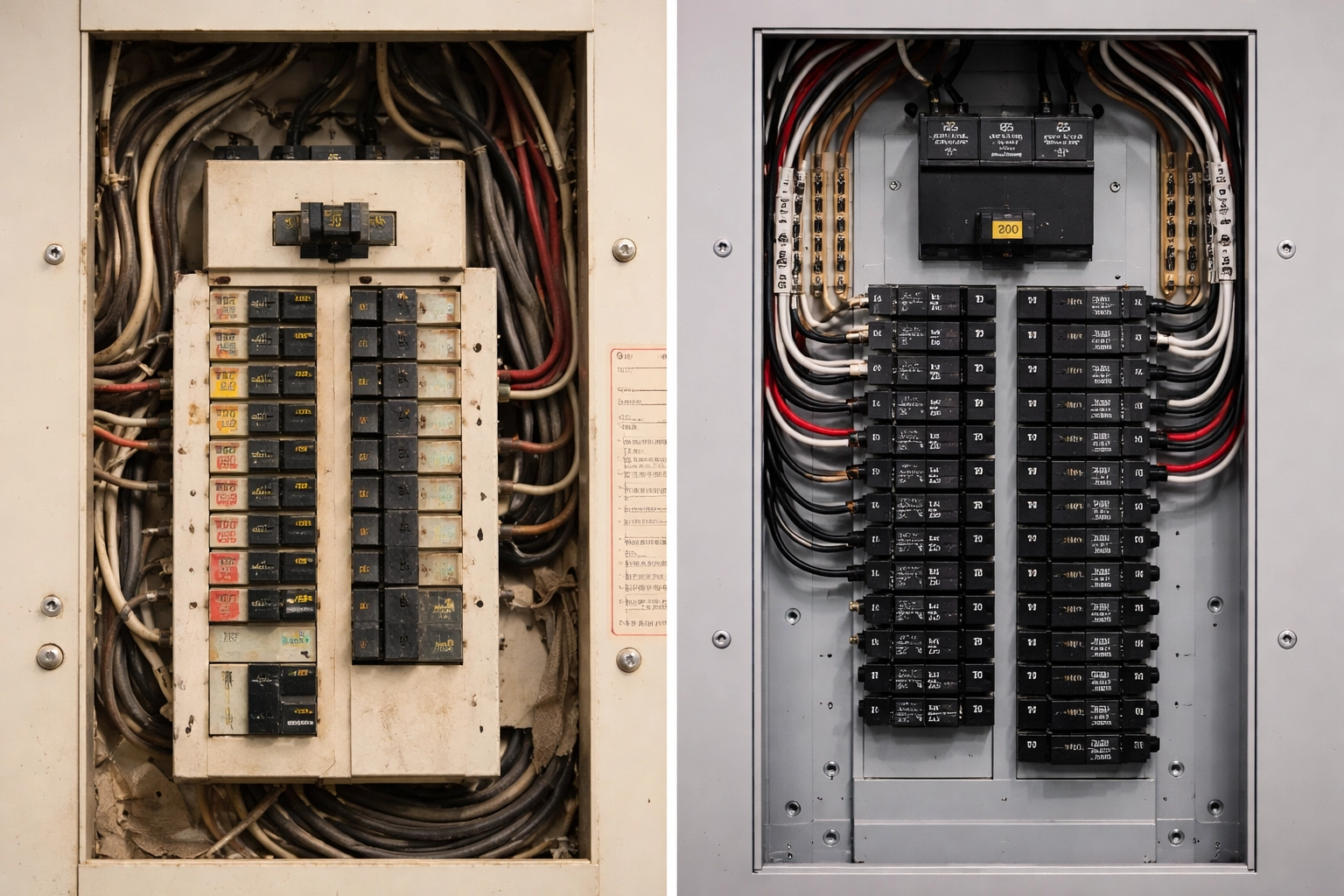
You have a 100-amp panel. Most older Edmonton homes were built with 100-amp service. That was plenty back in the day, but modern appliances, electronics, and especially EV chargers demand a lot more power.
You're running out of breaker slots. Take a look at your panel. If you have fewer than four open slots, you're going to run into trouble the next time you want to add a circuit.
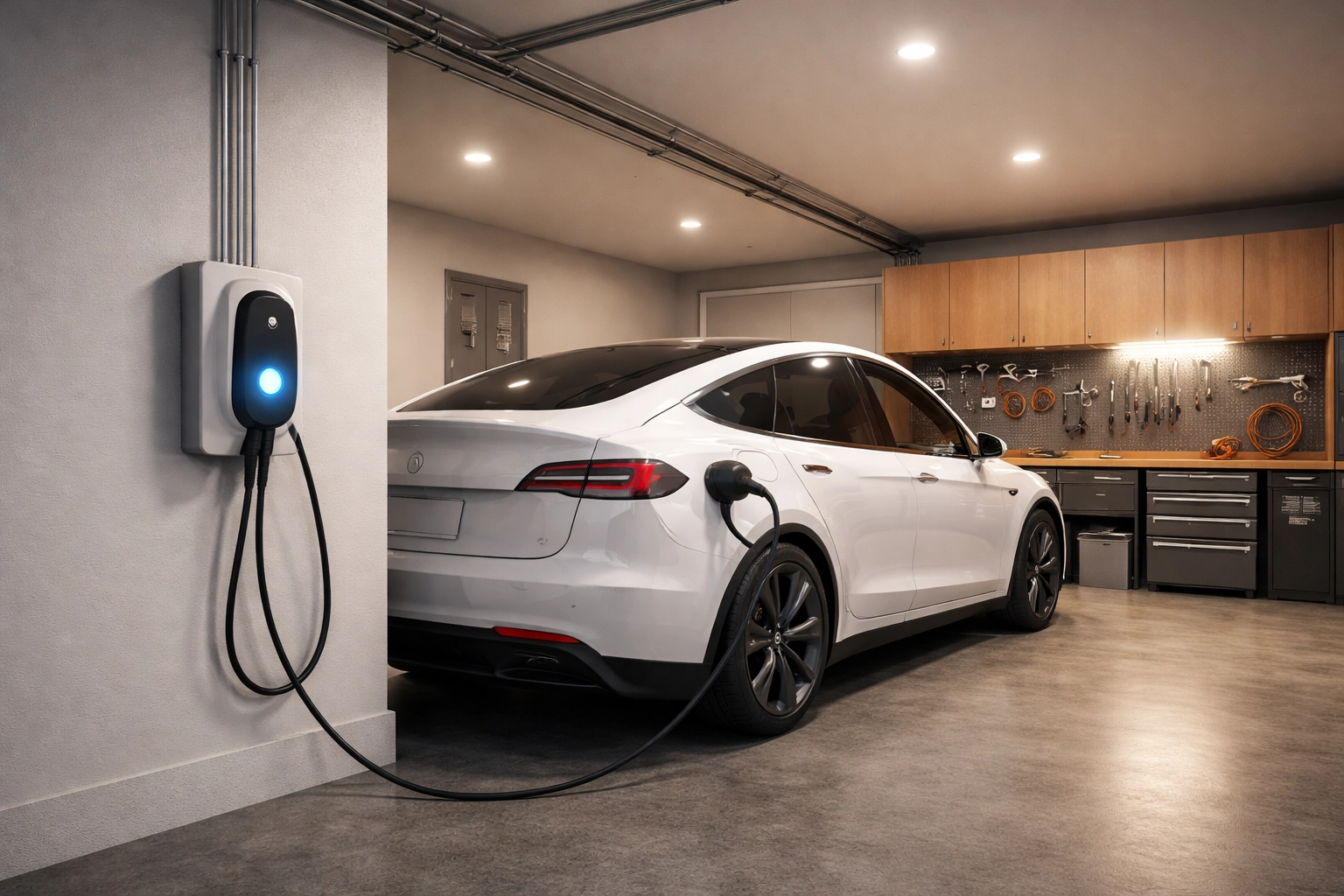
You want a Level 2 EV charger. A 50-amp Level 2 charger is the sweet spot for most electric vehicles. But adding one to a 100-amp panel often pushes you over the safe capacity limit.
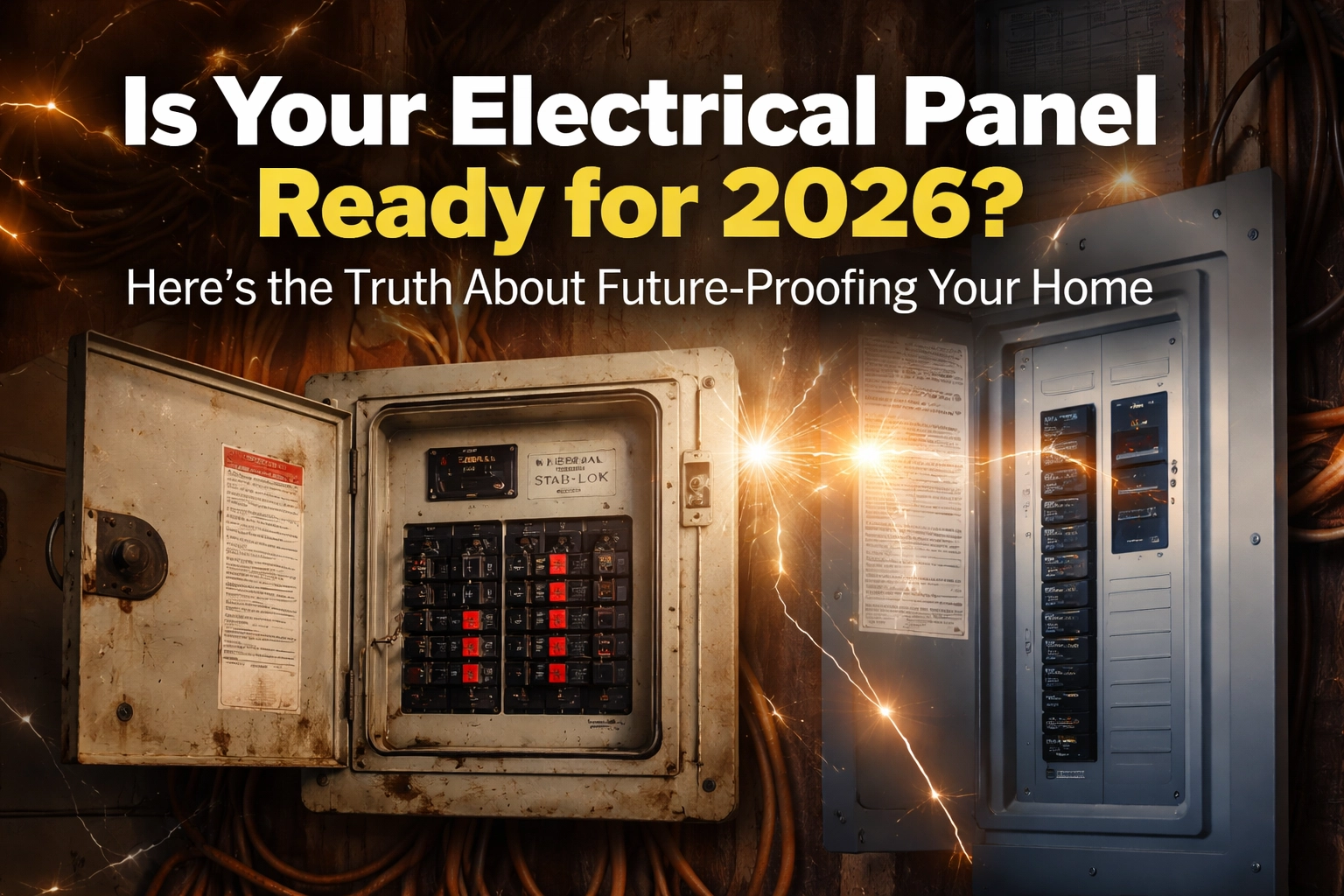
Your panel is a Federal Pioneer or Stab-Lok. These older panels have known safety issues and are often flagged during home inspections. If you have one, upgrading isn't just about capacity: it's about safety.
You're experiencing flickering lights or tripped breakers. These are signs your current system is struggling to keep up with demand.
If any of these sound familiar, it's probably time to have a licensed electrician take a look. You can contact us at Robart Electrical Services for a panel assessment.
When You Might Be Fine Without an Upgrade
Not everyone needs a full panel upgrade. Here are some situations where you might be okay with what you have:
- You have a 200-amp panel with available capacity. If you've got room to spare and your electrical load calculations check out, you may just need to add a circuit or two.
- You're willing to use a 40-amp charger instead of 50-amp. This gives you slightly slower charging but uses less panel capacity.
- You can implement smart load management. More on this below.
- You charge your EV overnight. Off-peak charging means your other appliances aren't competing for power at the same time.
The key is understanding your current capacity and your future plans. A quick load calculation by a pro can tell you exactly where you stand.
What Does "Future-Proofing" Actually Mean?
Future-proofing your electrical system means setting yourself up so you don't have to tear into your walls (or your wallet) every time you want to add something new.
Here's what that looks like in practice:
Upgrade to 200-amp service. This is the current standard for modern homes and gives you plenty of room for EV chargers, heat pumps, hot tubs, and more.
Add extra breaker slots. Even if you don't need them today, having room to grow saves you from another upgrade down the road.
Install conduit for future EV chargers. If you're doing any electrical work in your garage, running conduit now makes adding a charger later much easier and cheaper.
Consider a generator transfer switch. Even if you don't have a backup generator yet, having the provisions in place makes future installation simple.
Think about 400-amp service. This is overkill for most homes, but if you're planning multiple EVs, all-electric heating, a home battery system, and a pool, it might be worth the investment. Just know it requires coordination with your utility and costs significantly more.
Smart Panels: A Middle Ground
If a full panel upgrade feels like too much right now, smart panels might be worth a look.
Products like the Span panel can intelligently manage your electrical loads. Here's how it works: when your EV charger kicks on, the smart panel automatically reduces power to non-essential circuits. When you turn off the dryer, it bumps the charger back up.
This kind of load management can save you from needing a full upgrade: at least for now. Smart panels typically run between $3,500 and $6,000 installed, which might sound steep. But when you compare it to the cost of upgrading your service from the utility, it can actually save you money.
That said, smart panels aren't a permanent fix. They're more of a "buy yourself time" solution. If your panel is old, unsafe, or seriously undersized, you'll still need to upgrade eventually.
What Does a Panel Upgrade Cost in Edmonton?
Let's talk numbers. Keep in mind these are ballpark figures: your actual cost depends on your home's specific situation, permit fees, and whether any additional work is needed.
| Upgrade Type | Estimated Cost |
|---|---|
| Panel replacement (same amperage) | $1,500 – $2,500 |
| 100A to 200A upgrade | $2,500 – $4,500 |
| 200A to 400A upgrade | $5,000 – $8,000+ |
| Subpanel addition | $800 – $2,000 |
These prices include permits and inspections, which are required for any panel work in Edmonton. Always make sure your electrician pulls the proper permits: it protects you and ensures the work is done to code.
For an accurate quote on your specific situation, reach out to our team and we'll walk you through your options.
A Simple Planning Strategy
Here's a straightforward approach to figuring out your next steps:
-
Know what you have. Check your panel's amperage (it's usually printed on the main breaker) and count your available slots.
-
List what you want to add. EV charger? Heat pump? Hot tub? Home office with serious equipment? Write it all down.
-
Get a load calculation. A licensed electrician can calculate your current demand and tell you if your panel can handle your wish list.
-
Size up when you upgrade. Going from 100A to 200A costs nearly the same as going from 100A to 150A. Don't shortchange yourself.
-
Plan for the future. Even if you're not adding an EV charger today, running conduit or adding a dedicated circuit now is way cheaper than doing it later.
The Bottom Line
Your electrical panel is the heart of your home's electrical system. If it's outdated, undersized, or unsafe, everything else suffers.
The good news? You don't have to figure this out alone. Whether you need a full upgrade, a subpanel, or just some advice on future-proofing, we're here to help.
If you're in the Edmonton area and want to know where your panel stands, give Robart Electrical Services a call. We'll take a look, give you honest advice, and help you make the best decision for your home and budget.
Because when it comes to your electrical system, a little planning today saves a lot of headaches tomorrow.