
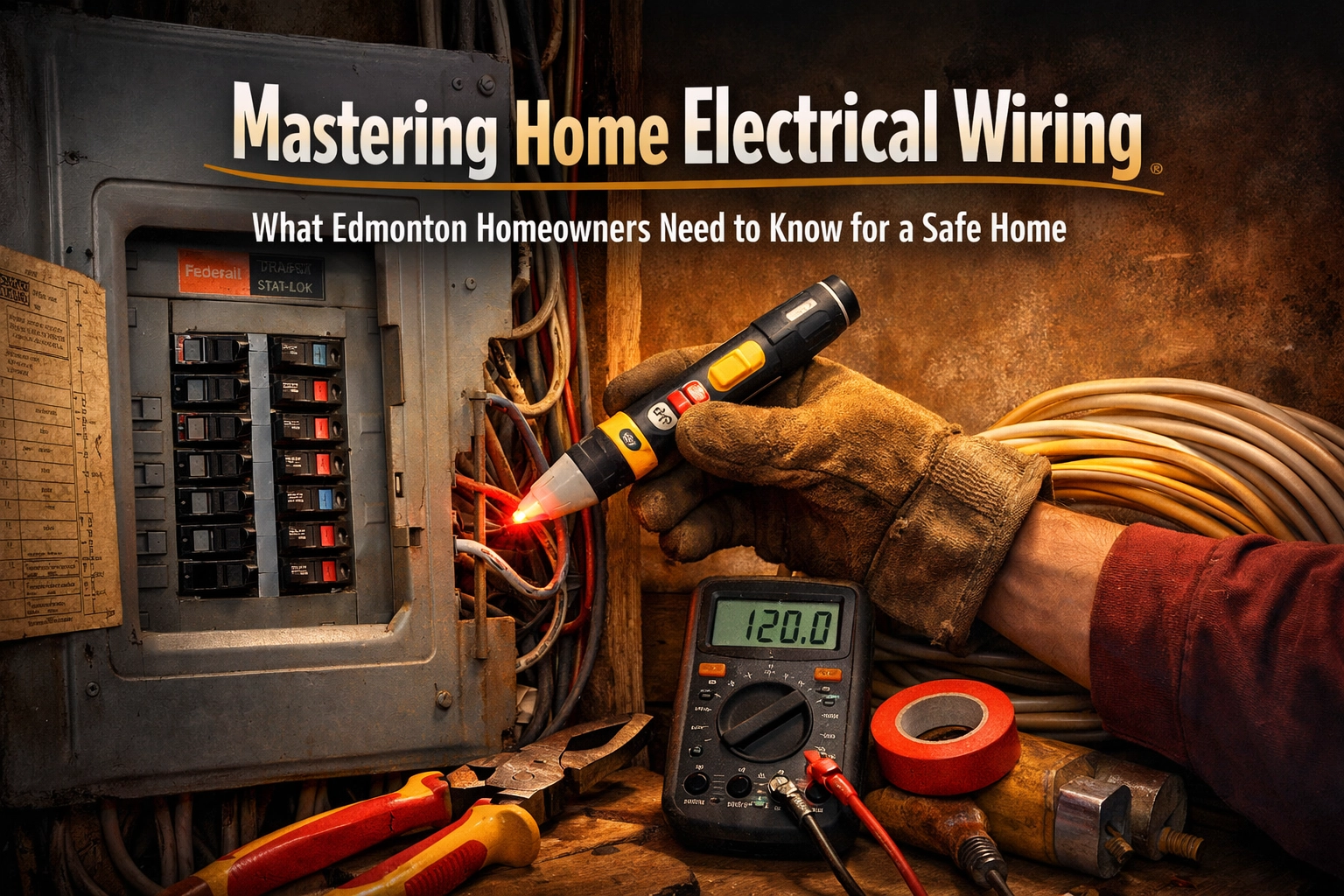
Hey there, Edmonton homeowners! Howard here, CEO of Robart Electrical Services.
If you’ve spent any time driving through our beautiful city, you know that Edmonton has a bit of everything. We’ve got those stunning historic homes in Highlands, mid-century bungalows in Strathcona, and the brand-new builds popping up in the southwest. While all these homes have their own unique charm, they also have very different "innards": specifically when it comes to electrical wiring Edmonton standards.
Most people don’t think about their wiring until a light starts flickering or an outlet stops working. But your home’s electrical system is like its central nervous system. When it’s working well, everything is smooth. When it’s outdated or failing, it can become a serious safety hazard.
In this guide, I want to break down what you need to know about your home’s wiring, the common issues we see in local homes, and how to make sure your house stays safe and powered up for years to come.
The Evolution of Electrical Wiring in Edmonton
Edmonton has grown in waves, and the type of wiring in your home usually depends on when those waves hit.
The Era of Copper
Copper has been the gold standard for electrical wiring Edmonton for decades. It’s highly conductive, flexible, and stands the test of time. If your home was built recently, or if it’s been fully renovated, you likely have copper wiring throughout. It’s reliable and meets all modern building codes.
The Aluminum "Experiment" (1960s–1970s)
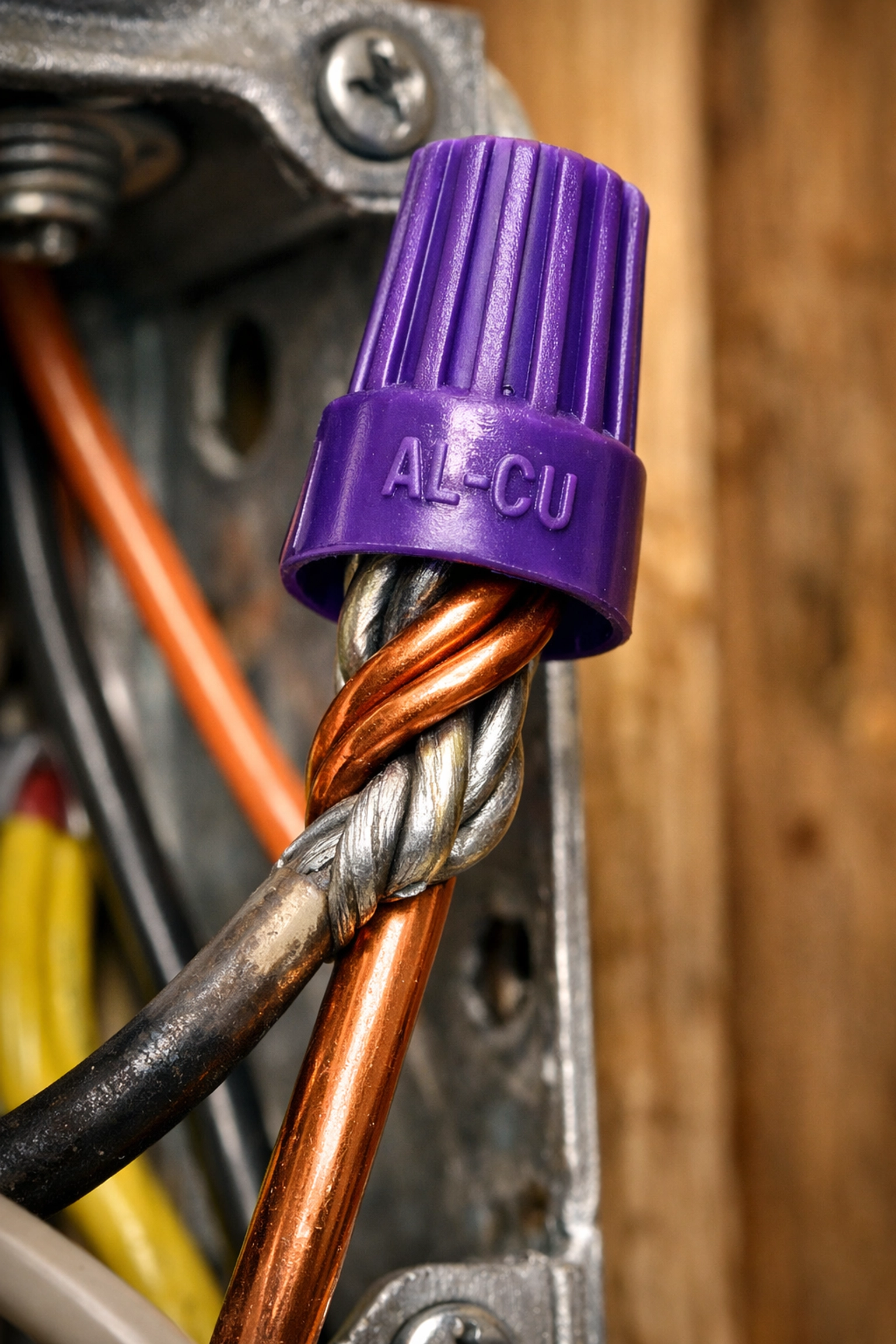
If your home was built between the mid-60s and the late 70s, there’s a good chance it contains aluminum wiring. At the time, copper prices were sky-high, so builders switched to aluminum. While aluminum conducts electricity fine, it has a habit of expanding and contracting more than copper when it gets warm. Over time, this can loosen connections at switches and outlets, leading to overheating and: in the worst cases: fires.
If you have aluminum wiring, don't panic! It doesn't mean you have to rip out all your walls. However, it does mean you should have a professional electrical contractor perform "pig-tailing" or remediation to ensure your connections are safe.
Common Wiring Issues in Older Edmonton Homes
We love our character homes, but their electrical systems often weren't designed for the 21st century. Back in the day, "high tech" meant having a toaster and a radio. Today, we’re charging three laptops, running a high-efficiency AC, and plugging in an air fryer all at once.
1. Knob and Tube Wiring
If your home is a real vintage treasure (pre-1950s), you might still have knob and tube wiring. This system uses porcelain knobs to support wires and tubes to protect them as they pass through wood. While it was great for its time, it lacks a ground wire, which is a major safety concern for modern electronics. Plus, many insurance companies in Alberta won't cover homes with active knob and tube.
2. The 60-Amp Service Struggle
Many older homes in Edmonton were originally built with a 60-amp electrical service. Nowadays, 100 amps is the bare minimum, and 200 amps is becoming the standard for homes with electric vehicle chargers or hot tubs. If you find your breakers tripping every time you use the microwave while the dryer is running, you're likely overdue for a service upgrade.
3. Ungrounded Outlets
You know those old two-prong outlets? Those mean there’s no "ground" wire to protect you from a surge or a short circuit. Replacing these with modern three-prong outlets without actually running a ground wire is a common DIY mistake: and it’s actually a code violation.
Modern Standards: What Your Home Needs Today
Safety standards have come a long way. According to the Alberta Electrical Safety guidelines, modern homes require specific protections that older systems simply don't have.
GFCI and AFCI Protection
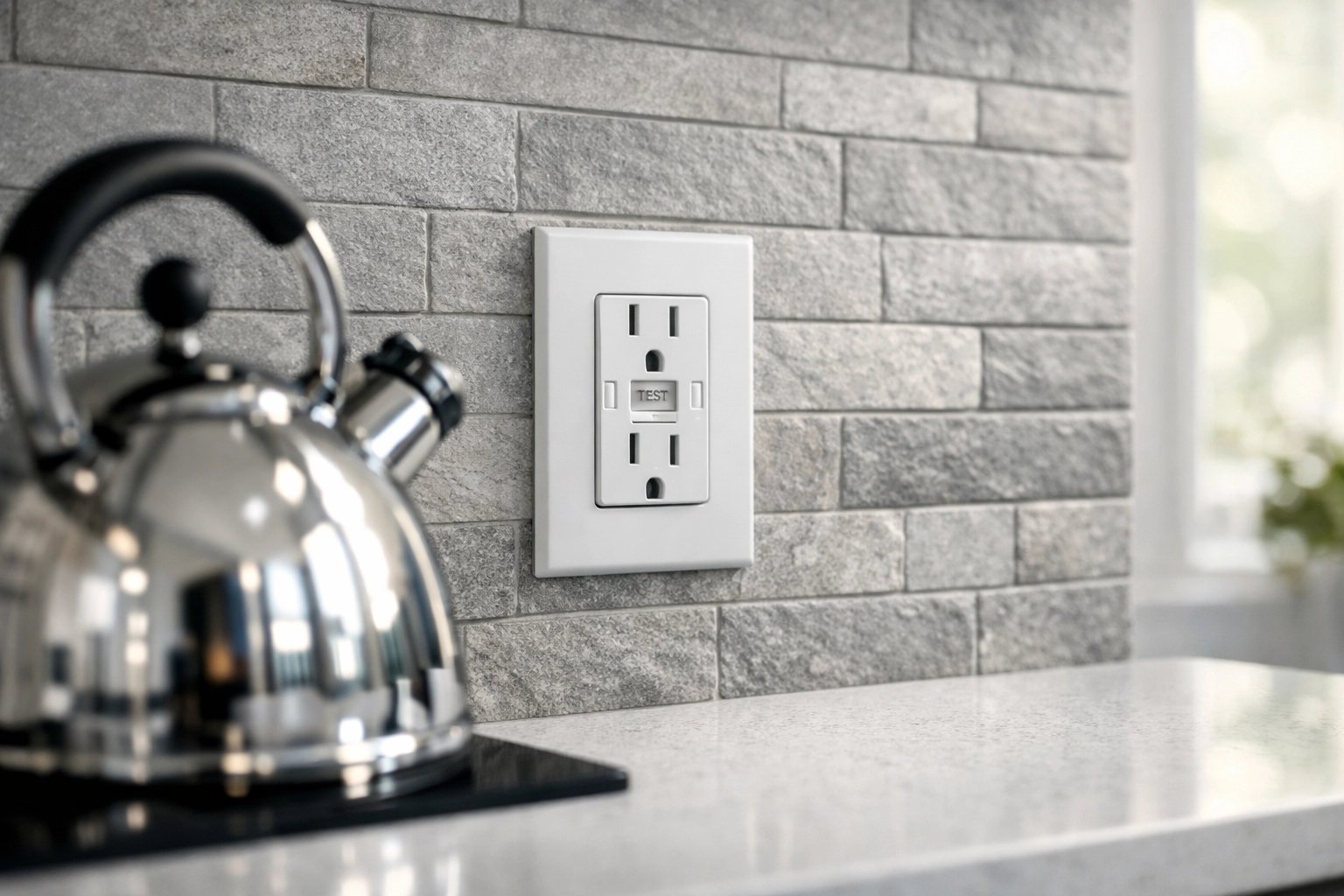
- GFCI (Ground Fault Circuit Interrupters): These are the outlets with the "Test" and "Reset" buttons. They are required near any water source, like your kitchen, bathroom, or outdoor taps. They cut power instantly if they detect a leak of electricity to ground.
- AFCI (Arc Fault Circuit Interrupters): These are usually found in your breaker panel. They detect dangerous "arcing" (sparks) that can happen if a wire is damaged or a connection is loose. Most modern bedrooms and living areas now require AFCI protection by code.
If you’re planning a renovation, especially a kitchen electrical upgrade, these modern protections aren't just a "nice to have": they are required for a passed inspection.
Warning Signs: When to Call an Electrician Edmonton
You don’t need to be an expert to know when something is wrong. Your house will usually give you a few hints that the wiring is struggling. Keep an eye (and an ear) out for these:
- Flickering or Dimming Lights: This often happens when a major appliance (like your furnace or fridge) kicks on. It suggests your circuits are overloaded.
- The "Tingle" Factor: If you feel a tiny shock or a buzz when you touch a metal appliance or a switch plate, call us immediately. That’s a clear sign of a grounding issue.
- Warm Outlets or Discolouration: If an outlet feels warm to the touch or looks slightly charred/yellowed, stop using it right away. This is a major fire risk.
- Persistent Burning Smells: If you smell something like burning plastic or ozone but can't find the source, it could be a wire melting inside your wall.
- Frequent Tripping: Breakers are designed to trip to protect you. If yours are doing it once a week, they are telling you the system can't handle the load.
Future-Proofing Your Home
The way we use electricity is changing faster than ever. Between home offices, smart home tech, and the shift toward electric vehicles, your wiring has to work harder than it used to.
When we talk to homeowners about electrical panel future-proofing, we look at what they might need five or ten years from now. Installing a 200-amp panel today might cost a bit more than a 100-amp one, but it saves you a massive headache down the road when you decide to install a car charger or build a legal basement suite.
The Importance of Professional Installation
I get it: DIY is big in Edmonton. We’re a handy bunch of people. But electrical work is one area where you really shouldn't "wing it."
Every year, we get calls to fix DIY wiring projects that went wrong. Sometimes it's a simple fix, but other times, we find dangerous situations where the home was just one spark away from a disaster.
When you hire a licensed electrical contractor, you’re getting:
- Code Compliance: We know the Canadian Electrical Code inside and out.
- Permits: We handle the paperwork with the City of Edmonton so your home remains insurable and legal.
- Safety: We have the tools and testing equipment to ensure every connection is tight and every circuit is grounded.
If you’re someone who likes to be involved in the process or you’re building your own space, check out our homeowner-builder guide to see how professionals and homeowners can work together safely.

Summary Checklist for Edmonton Homeowners
To wrap things up, here is a quick "cheat sheet" for checking your home's electrical health:
- Age Check: Is your home older than 40 years? It’s probably time for a safety inspection.
- Outlet Check: Do you have GFCIs in the kitchen and bathrooms?
- Panel Check: Is your panel at least 100 amps? Do the breakers trip often?
- Cord Check: Are you relying on extension cords for permanent power? (This is a sign you need more outlets!)
- Visual Check: Are all your switches and outlets covered with faceplates?
Final Thoughts
Mastering your home’s electrical wiring isn't about becoming an electrician yourself; it's about knowing the signs of trouble and understanding what a modern, safe home looks like. Whether you're living in a cozy bungalow or a brand-new two-story, keeping your wiring up to date is the best investment you can make for your family's safety.
If you have questions about your wiring, or if you’ve noticed any of the "red flags" we talked about, give us a shout. We’ve been helping Edmontonians keep the lights on safely for years, and we’d love to help you too.
Stay safe out there!
: Howard
CEO, Robart Electrical Services